

Welcome to the Blog
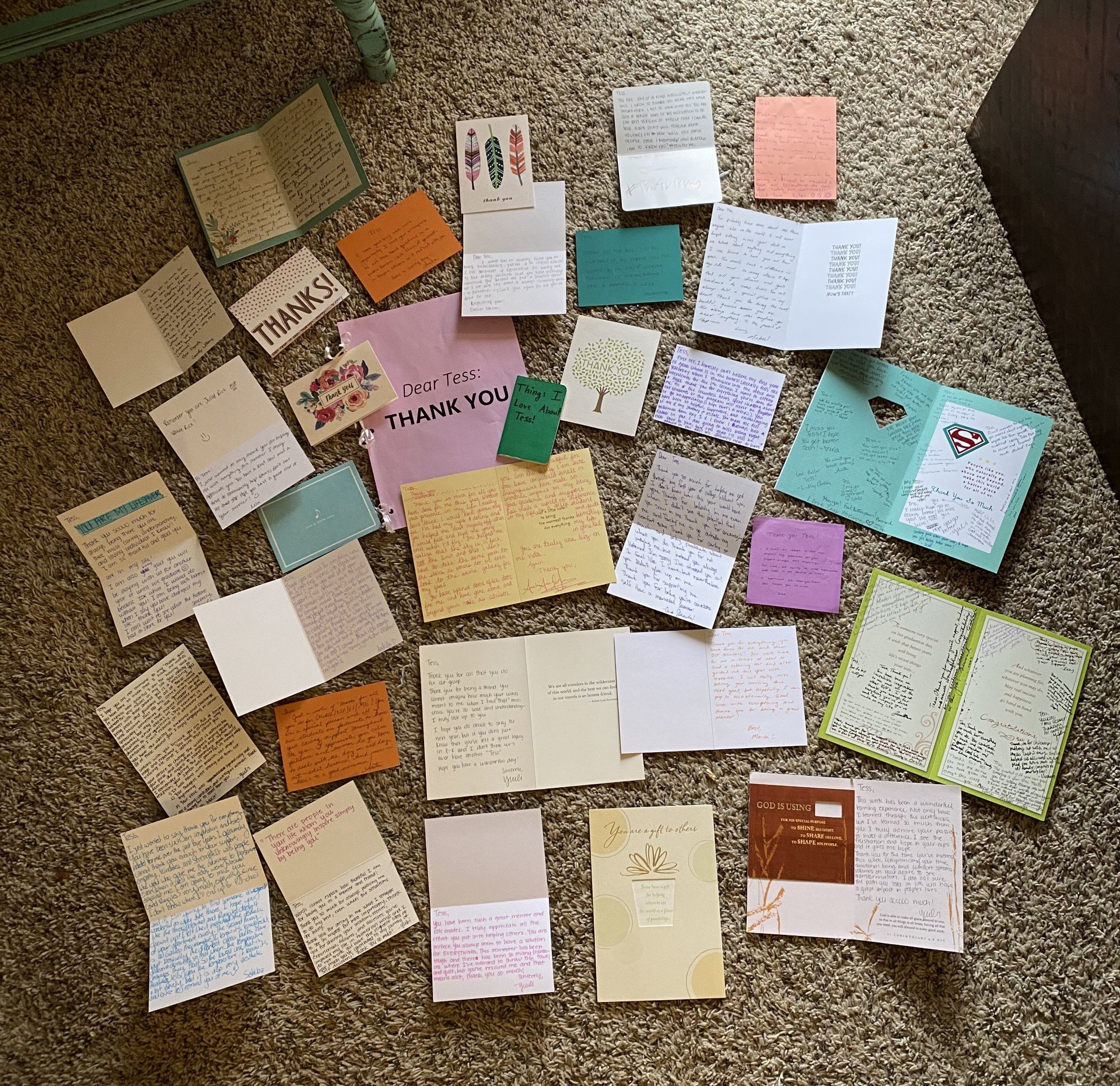
What a Pile of Thank-You Notes Taught Me About Confidence
About a decade ago, I was in the middle of graduate school and quietly struggling…

When You Do the Work but No One Sees You: The Quiet Pain of Being Overlooked in Leadership
I want to talk about something many women in leadership experience, but don’t always have language for…

The Hidden Cost of People-Pleasing — and How It Holds Women Back in Leadership
Lately, people-pleasing and its connection to leadership has been coming up frequently…

Leading as a Unicorn: Building Confidence by Owning Your Gifts
A few years ago, I stepped into a role that felt impossibly big…